Digital Logistics for Transport Companies: What Operators Need Beyond a GPS App

In the rapidly evolving Indian supply chain, relying solely on a basic mobile map or a siloed tracking app is no longer enough to stay competitive. Modern transport operators are moving toward comprehensive digital logistics tools to manage the complexities of primary and secondary distribution. By transitioning from simple tracking to an integrated Freight Operating System (FOS), companies can unify their planning, visibility, and compliance into a single "control tower" view that drives real business outcomes.
Key Highlights
- Digital logistics tools like a Freight Operating System (FOS) offer end-to-end operational visibility.
- Hardware-free tracking via SIM and browser technology eliminates the need for expensive GPS devices.
- Automated compliance through DPI integration (VAHAN and GSTN) prevents costly regulatory penalties.
- AI-powered alerts have helped RoaDo users avoid over 1 lakh shipment delays to date.
Why is a Basic GPS App Insufficient for Modern Transport Operators?
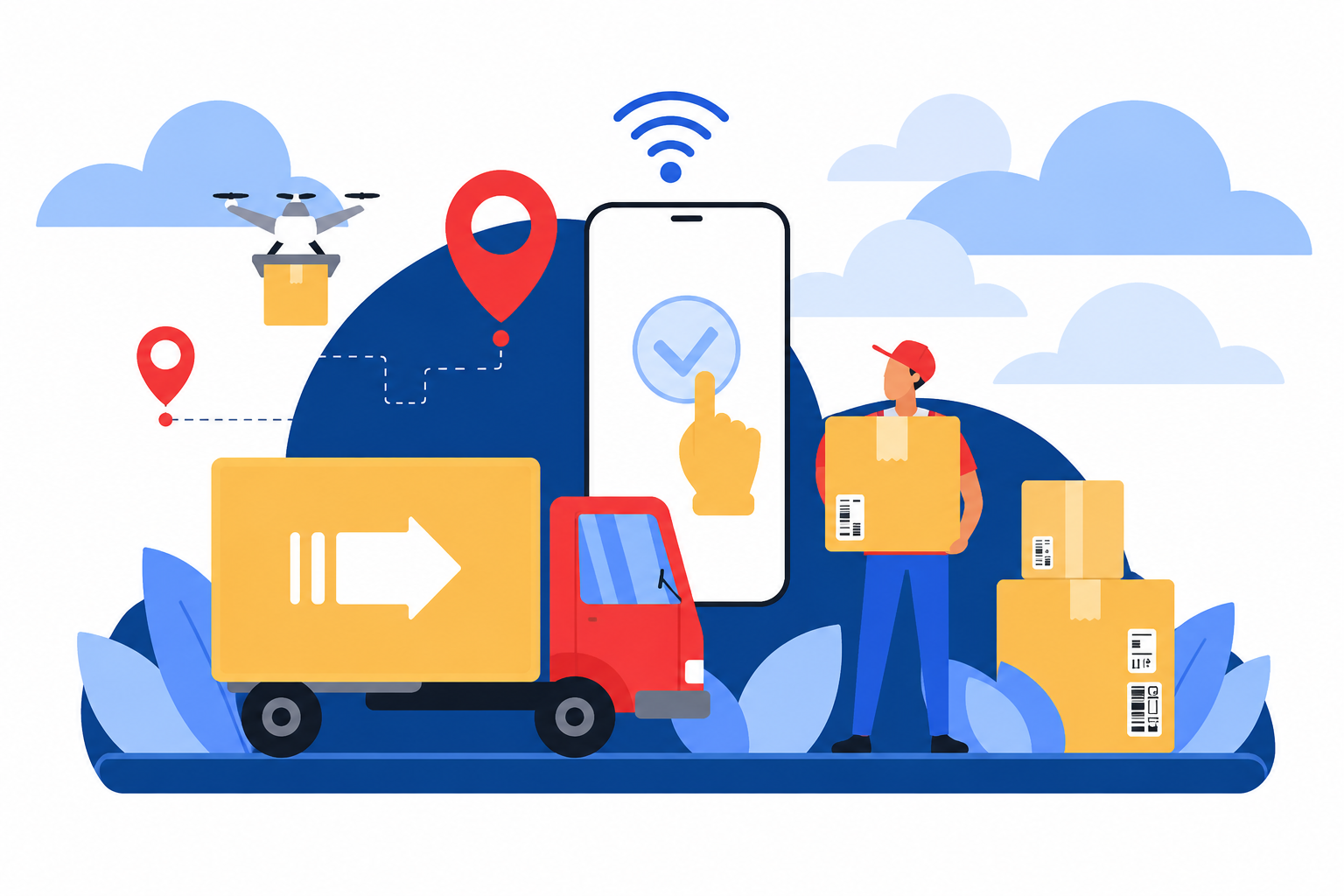
While a GPS app provides basic location data, it lacks the operational depth required for enterprise-grade logistics. These apps operate in isolation, failing to integrate with contract management, indent allocation, or financial settlement. Furthermore, hardware-dependent GPS systems often involve high CAPEX and lengthy installation times, which are impractical for fleet operators managing hundreds of external carriers.
To bridge this gap, industry leaders are adopting hardware-free tracking solutions. RoaDo’s platform, for instance, has monitored over 10 crore kilometers and tracked 1.2 million+ trips using SIM-based and browser-based technology. This allows operators to achieve "digital competence in under 5 minutes," providing real-time visibility across multimodal shipments without the burden of hardware maintenance.
Which Digital Logistics Tools Are Essential for Scaling Transport Operations?
Scaling a transport business in India requires more than just moving cargo; it requires managing a complex web of compliance and data. The essential toolkit for a modern operator includes:
- Freight Operating System (FOS): A unified platform that manages the entire lifecycle of a shipment, from order allocation to digital proof of delivery (ePOD).
- DPI Integration Tools: Systems that connect directly to India’s Digital Public Infrastructure, such as VAHAN for vehicle document verification and GSTN for automated e-way bill monitoring.
- AI-Powered Predictive Analytics: Tools that calculate predictive ETAs and send proactive alerts for potential delays, helping managers manage by exception rather than constant manual checking.
- Freight Finance Modules: Automation that speeds up the billing cycle by reconciling invoices against ePODs, reducing Days Sales Outstanding (DSO) by 7–10 days.
Compliance as a Competitive Edge in Indian Logistics
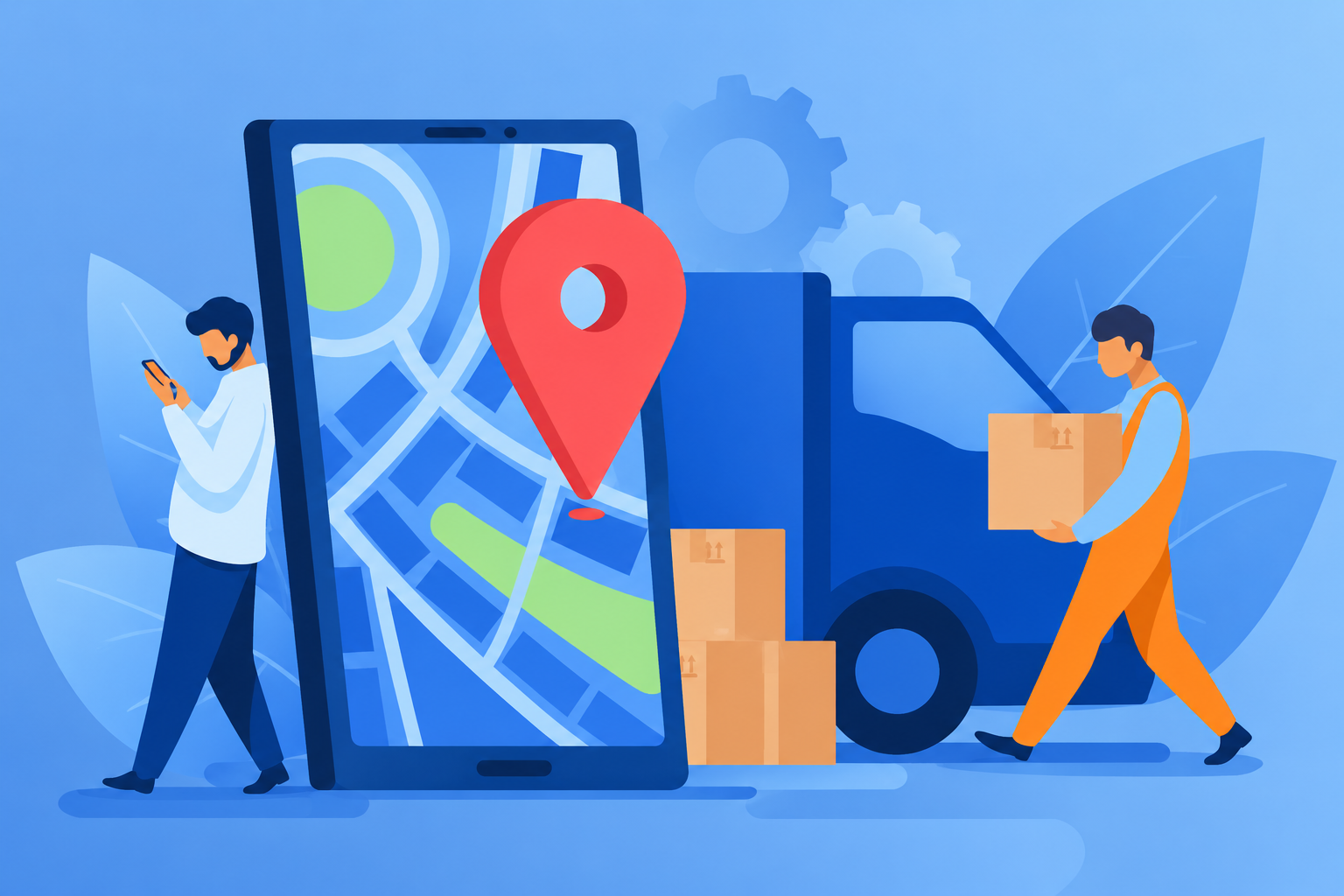
In India, a delivery exception is often caused by a regulatory violation rather than a traffic jam. An expired e-way bill or a lapsed vehicle fitness certificate can lead to vehicle detention and fines exceeding 200% of the tax value. Modern digital logistics tools mitigate this risk by automating the monitoring of vehicle registration, insurance, and permits.
By leveraging DPI integrations, RoaDo helps manufacturers and transporters save an estimated ₹20 crore in potential penalties every day. This proactive approach ensures that shipments stay in motion and that companies avoid the reputational and financial damage associated with non-compliance.
Moving Toward a $5 Trillion Economy with Digital Transformation
As India targets a $5 trillion economy, the National Logistics Policy 2022 aims to reduce logistics costs to 8% of GDP. This ambitious goal can only be met through the widespread adoption of technology that optimizes load utilization and reduces "empty miles."
By integrating AI-driven load optimization and real-time tracking, transport companies can significantly reduce fuel consumption and greenhouse gas emissions. Digital logistics is no longer a luxury; it is the infrastructure that allows transport operators to meet evolving market demands while maintaining healthy margins.
Conclusion
Embracing digital transformation is the only way for logistics companies to thrive in a high-velocity market. By moving beyond basic GPS apps and investing in a comprehensive Freight Operating System, operators gain the visibility, control, and compliance necessary to scale.
RoaDo’s hardware-free, AI-powered approach ensures that your fleet remains compliant, your costs remain low, and your customers remain satisfied. By fostering a culture of innovation and data-driven decision-making, transport companies can ensure they remain resilient and adaptable in an ever-changing environment. The future of logistics is digital and it starts with the right operating system.
Frequently Asked Questions
1. What are digital logistics tools for transport companies?
Digital logistics tools help manage shipment planning, tracking, compliance, billing, and delivery operations from a single platform.
2. How is a Freight Operating System (FOS) different from a GPS app?
A Freight Operating System provides end-to-end logistics management, while a GPS app only shows vehicle location.
3. Can transport companies track vehicles without GPS devices?
Yes, hardware-free tracking uses SIM-based and browser-based technology to provide real-time shipment visibility.
4. How do digital logistics tools improve operational efficiency?
They automate workflows, reduce manual tasks, improve fleet utilization, and provide real-time visibility.
5. What role does AI play in digital logistics management?
AI predicts ETAs, identifies delays, sends proactive alerts, and optimizes transport operations.
6. How do digital logistics platforms help with compliance?
They automate vehicle document verification and e-way bill monitoring through VAHAN and GSTN integrations.
7. Can digital logistics tools reduce transportation costs?
Yes, they minimize empty miles, improve load utilization, and reduce penalties and operational inefficiencies.
8. What is hardware-free vehicle tracking in logistics?
It is a tracking method that provides visibility without installing GPS hardware or requiring driver apps.
9. How do digital logistics platforms speed up freight billing?
They automate invoice reconciliation using digital proof of delivery (ePOD), reducing billing delays.
10. Why should transport operators invest in digital logistics software?
Digital logistics software improves visibility, compliance, cost control, customer satisfaction, and business scalability.
“Upgrade from basic tracking to intelligent logistics management with RoaDo’s AI-powered Freight Operating System. Gain real-time visibility, automated compliance, and hardware-free tracking to streamline every shipment and scale your transport operations with confidence.”